December 26, 2025
A septic system plays a critical role in managing wastewater for homes that are not connected to municipal sewer lines. Although it often goes unnoticed when functioning correctly, this system requires ongoing care to prevent costly and hazardous failures. One of the most important maintenance steps is scheduling septic pumping at appropriate intervals. When homeowners understand how their system works and what affects its performance, they are better equipped to maintain reliability and avoid emergency issues. By recognizing when to call a professional, residents can protect both their property and the environment surrounding it.
Comprehending How Septic Systems Work
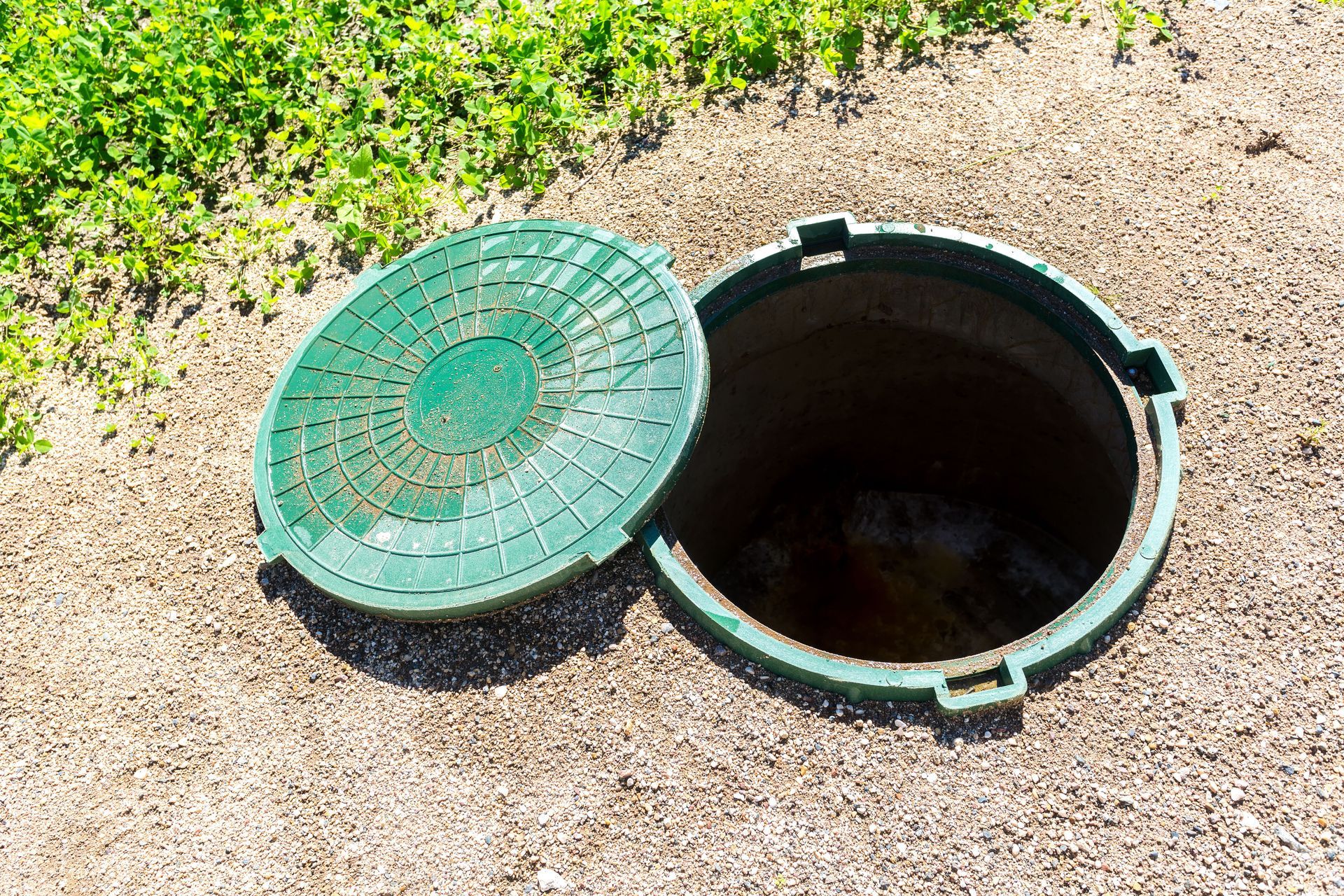
Before deciding how often septic pumping is needed, it is helpful to understand the basic operation of a septic system. Wastewater from household plumbing flows into an underground septic tank where solids settle to the bottom, forming sludge, while oils and grease float to the top as scum. The liquid wastewater in the middle, known as effluent, exits the tank and travels to a drain field where it is naturally filtered through soil. This separation process helps ensure that harmful substances remain contained while cleaner water returns to the ground.
Over time, sludge accumulates in the tank and reduces the available space for incoming wastewater. If this buildup is not removed through septic pumping, solids can escape into the drain field and create major blockages. When wastewater is forced back into plumbing lines, homeowners may notice unpleasant smells, slow drains, or even hazardous sewage backups inside the home. In addition, excess weight and waste within the tank can strain aging components such as baffles and inlet pipes, increasing the risk of cracks or leaks underground. Professional technicians evaluate tank conditions carefully to determine whether the system is operating efficiently and to ensure no structural issues are developing below ground that could become major repairs later.
Tank size and household usage both affect how quickly sludge accumulates. Larger families, frequent laundry use, and heavy water consumption may cause tanks to fill faster, while smaller households may stretch more time between pumping visits. Even everyday habits—like flushing non-biodegradable items or using a garbage disposal frequently—can alter how much solid waste enters the tank. A qualified technician can help homeowners identify the right maintenance schedule based on the size of their tank, soil conditions, and daily water habits to ensure an optimal balance between performance, safety, and long-term durability.
Recognizing the Right Time for Septic Pumping
Many homeowners wait until a problem becomes noticeable before scheduling septic pumping, but preventive service is far more cost-effective. There are several common warning signs that the tank may be nearing capacity. Slow-draining sinks, foul odors near drain areas, and standing water around the drain field indicate that wastewater is not moving through the system properly. These issues should never be ignored because they can quickly escalate into extensive repairs.
Even without obvious symptoms, routine service remains essential. According to the EPA, the average household septic system should be inspected by a qualified professional at least once every three years to ensure it’s functioning properly. During an inspection, technicians assess the sludge and scum levels to determine whether pumping should occur immediately or be scheduled in the near future. They may also check for leaks, blocked pipes, and signs of tank corrosion that could lead to system failure.
A consistent maintenance schedule also helps maintain compliance with local health and environmental regulations. Wastewater contamination can harm groundwater, nearby wells, and wildlife when septic systems are neglected. By planning, homeowners avoid serious contamination risks and reduce the need for costly remediation services. With professional guidance, septic pumping becomes a predictable part of home care rather than a stressful emergency response.
Exploring the Benefits of Professional Septic Pumping
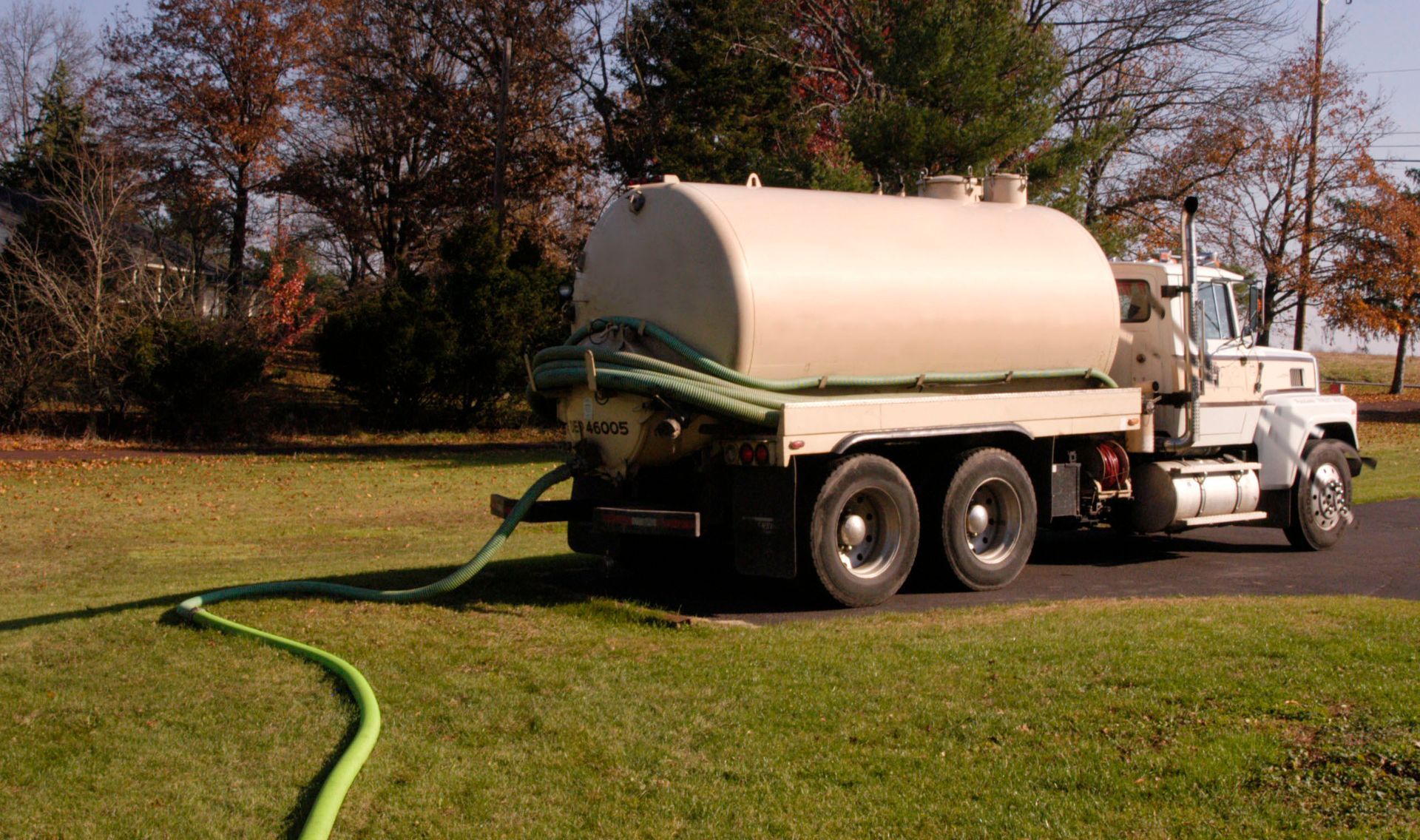
Relying on trained professionals for septic pumping ensures safe, thorough waste removal and proper disposal. Septic tanks contain harmful bacteria and gases that require specialized safety equipment to handle. Attempting to perform maintenance without proper training can lead to injury and incomplete cleaning. Certified technicians use high-capacity vacuum trucks to remove sludge and scum efficiently, restoring the tank to its intended holding capacity.
Professional service also includes a detailed evaluation of system performance. During septic pumping, technicians inspect inlet and outlet baffles, tank walls, and lids to check for damage. They may also recommend minor repairs that prevent significant and expensive issues in the future. These assessments help extend the life of the drain field, which is one of the most costly components to replace if damaged.
Routine septic pumping supports healthier indoor living conditions as well. When wastewater is properly contained, there is less risk of sewage odor entering the home. Preventing moisture buildup also reduces the potential for mold growth and exposure to harmful bacteria. This makes regular service an investment in both property protection and household wellbeing.
Determining What Impacts a Maintenance Schedule
While most households benefit from septic pumping every three to five years, many variables influence the ideal service interval. One key factor is the number of people using the plumbing system. Additional residents increase the volume of water and waste entering the tank each day, accelerating sludge accumulation. Homeowners should reevaluate their schedule if the number of occupants changes due to extended visitors, family expansion, or rental situations. Even short-term increases in water usage—such as frequent laundry loads or running multiple appliances at once—can add unexpected stress to the system and shorten the maintenance window.
Water-efficient appliances can also help extend the time between septic pumping visits. High-efficiency toilets, smart water fixtures, and mindful daily habits minimize strain on the system. Likewise, reducing garbage disposal use helps limit solid buildup. Even so, regular inspections remain essential because waste composition and tank performance vary from home to home. What works well for one property may not be safe for another, especially when tanks differ in size, age, or placement.
Seasonal conditions may also play a role. In colder climates, frozen ground can affect how wastewater filters into the soil, making it important to schedule service before winter if the tank is nearing capacity. Heavy rainfall or flooding can oversaturate the drain field, slowing the filtration process and leading to surface pooling. Homes with heavy clay soil, shallow drain fields, or systems older than 20 years may require more frequent attention as components age. A knowledgeable professional can adjust recommendations based on each property’s unique setup, ensuring reliable performance year-round and helping homeowners avoid costly emergency repairs.
Choosing the Right Company for Service
Selecting a reputable provider is an important step in maintaining reliable septic pumping. Homeowners should look for companies that are licensed, insured, and experienced with the specific type of system installed on the property. Reading reviews, asking neighbors for referrals, and confirming disposal practices can help ensure the chosen provider follows proper environmental guidelines.
Reliable companies offer flexibility in scheduling and communicate clearly about what homeowners should expect during service. A detailed report after each visit helps track the condition of the system over time, making it easier to plan for future maintenance or upgrades if needed. The best providers take the time to educate homeowners on ways to protect their system between appointments, promoting long-term efficiency and safety.
Working with a consistent service provider also helps establish a reliable record of care. This documentation can be valuable during home sales or renovations when proof of routine maintenance is required. With an experienced technician supporting the system’s health, homeowners can enjoy peace of mind knowing their property is protected from unexpected septic failures. Call Nix Sanitary Service today to schedule your septic or sanitation service.